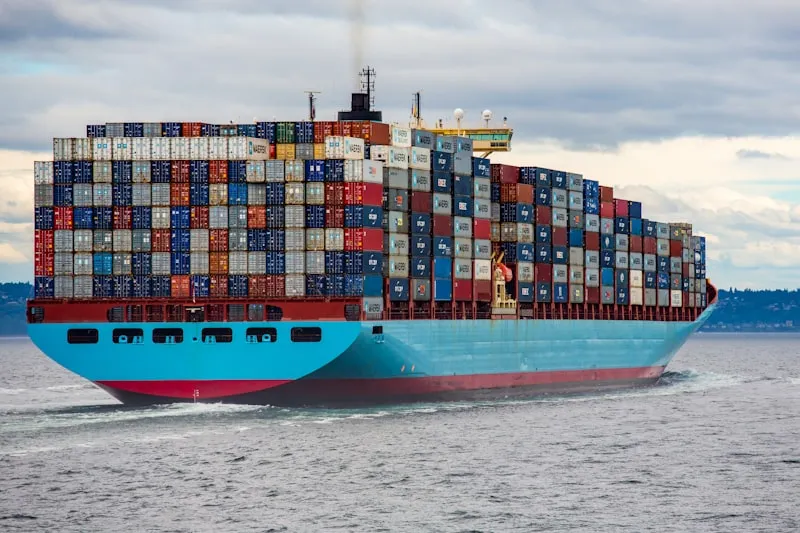
Introduction to Docker — Complete Containerization Guide for Developers
Introduction: Revolutionizing Application Deployment
Docker has fundamentally transformed how we develop, test, and deploy applications. By packaging applications with all their dependencies into standardized containers, Docker solves the classic “it works on my machine” problem and enables consistent deployments across different environments.
This comprehensive guide will take you from Docker basics to advanced containerization concepts, helping you streamline your development workflow and deploy applications with confidence.
Table of Contents
- What is Docker?
- Docker vs Virtual Machines
- Core Docker Concepts
- Installing Docker
- Docker Images and Containers
- Creating Dockerfiles
- Docker Commands Cheat Sheet
- Docker Compose
- Best Practices
- Docker in Production
- Common Use Cases
- Troubleshooting
- Conclusion
What is Docker?
Docker is an open-source containerization platform that allows developers to package applications with all their dependencies, libraries, and configuration files into standardized units called containers. These containers can run consistently on any infrastructure that supports Docker.
Why Docker Matters
Problems Docker Solves:
- ❌ “Works on my machine” issues
- ❌ Dependency conflicts between projects
- ❌ Complex deployment processes
- ❌ Environment inconsistencies
- ❌ Slow development setup
Solutions Docker Provides:
- ✅ Consistent environments across development, testing, and production
- ✅ Isolated application dependencies
- ✅ Rapid application deployment
- ✅ Efficient resource utilization
- ✅ Easy scalability
Docker vs Virtual Machines
| Feature | Docker Containers | Virtual Machines |
|---|---|---|
| Size | MBs | GBs |
| Startup Time | Seconds | Minutes |
| Performance | Near-native | Overhead from hypervisor |
| Isolation | Process-level | Complete OS isolation |
| Resource Usage | Lightweight | Resource-intensive |
| Portability | Highly portable | Less portable |
Key Difference: Containers share the host OS kernel, while VMs each run their own OS.
Core Docker Concepts
Images
Docker images are read-only templates containing:
- Application code
- Runtime environment
- Dependencies
- Configuration files
Think of images as blueprints or classes in programming.
Containers
Containers are running instances of images. They are:
- Isolated processes
- Lightweight and portable
- Can be started, stopped, and deleted
- Ephemeral by default
Think of containers as objects instantiated from a class.
Dockerfile
A Dockerfile is a text file containing instructions to build a Docker image. It defines:
- Base image
- Dependencies to install
- Files to copy
- Commands to run
- Entry point for the container
Docker Registry
A Docker registry stores and distributes Docker images. The most popular is Docker Hub, but you can also use:
- Amazon ECR
- Google Container Registry
- Azure Container Registry
- Private registries
Installing Docker
Linux
# Ubuntu/Debian
curl -fsSL https://get.docker.com -o get-docker.sh
sudo sh get-docker.sh

# Add user to docker group (no sudo required)
sudo usermod -aG docker $USER

# Verify installation
docker --version
docker run hello-world
macOS
Download Docker Desktop from docker.com
Windows
Download Docker Desktop for Windows from docker.com
Docker Images and Containers
Understand the relationship between Docker images (blueprints) and containers (running instances). Learn how to pull, build, manage, and deploy both.
Working with Images
Images are the foundation of Docker. This section covers how to retrieve images from registries, create custom images, and manage them efficiently.
# Pull an image from Docker Hub
docker pull nginx:latest
docker pull node:18-alpine

# List local images
docker images

# Remove an image
docker rmi nginx:latest

# Build an image from Dockerfile
docker build -t myapp:1.0 .

# Tag an image
docker tag myapp:1.0 username/myapp:1.0

# Push to registry
docker push username/myapp:1.0
Working with Containers
Containers are live instances of images. Here you’ll learn essential commands for running, managing, monitoring, and debugging containers in your workflow.
# Run a container
docker run nginx

# Run in detached mode (background)
docker run -d nginx

# Run with port mapping
docker run -d -p 8080:80 nginx

# Run with name
docker run -d --name my-nginx -p 8080:80 nginx

# Run with environment variables
docker run -d -e DB_HOST=localhost -e DB_PORT=5432 myapp

# Run with volume mount
docker run -d -v $(pwd):/app myapp

# List running containers
docker ps

# List all containers (including stopped)
docker ps -a

# Stop a container
docker stop my-nginx

# Start a stopped container
docker start my-nginx

# Remove a container
docker rm my-nginx

# View container logs
docker logs my-nginx
docker logs -f my-nginx  # Follow logs

# Execute command in running container
docker exec -it my-nginx bash

# Inspect container
docker inspect my-nginx
Creating Dockerfiles
Dockerfiles are scripts that define how to build Docker images. Learn to write efficient Dockerfiles for different languages and application types.
Basic Node.js Dockerfile
A minimal Node.js Dockerfile demonstrates the essential steps: selecting a base image, setting up the environment, installing dependencies, copying code, and defining the startup command.
FROM node:18-alpine

# Set working directory
WORKDIR /app

# Copy package files
COPY package*.json ./

# Install dependencies
RUN npm ci --only=production

# Copy application code
COPY . .

# Expose port
EXPOSE 3000

# Define environment variable
ENV NODE_ENV=production

# Start application
CMD ["node", "server.js"]
Multi-stage Build (Optimized)
Multi-stage builds separate the compilation/building phase from the runtime phase, dramatically reducing image size by excluding build tools and dependencies from the final image.
# Stage 1: Build
FROM node:18-alpine AS builder

WORKDIR /app

COPY package*.json ./
RUN npm ci

COPY . .
RUN npm run build

# Stage 2: Production
FROM node:18-alpine

WORKDIR /app

COPY package*.json ./
RUN npm ci --only=production

# Copy built files from builder stage
COPY --from=builder /app/dist ./dist

EXPOSE 3000

CMD ["node", "dist/server.js"]
Python Dockerfile
Python applications have different dependency patterns. This example shows best practices for Python containerization with pip and minimal base images.
FROM python:3.11-slim

WORKDIR /app

# Install dependencies
COPY requirements.txt .
RUN pip install --no-cache-dir -r requirements.txt

# Copy application
COPY . .

EXPOSE 8000

CMD ["python", "app.py"]
Full-stack Application
Full-stack applications combine frontend and backend. This example demonstrates using multiple build stages to include both a built frontend and a Node.js backend in a single container.
# Frontend build
FROM node:18-alpine AS frontend-builder
WORKDIR /app/frontend
COPY frontend/package*.json ./
RUN npm ci
COPY frontend/ .
RUN npm run build

# Backend
FROM node:18-alpine
WORKDIR /app

# Copy backend
COPY backend/package*.json ./
RUN npm ci --only=production
COPY backend/ .

# Copy frontend build
COPY --from=frontend-builder /app/frontend/dist ./public

EXPOSE 3000

CMD ["node", "server.js"]
Docker Commands Cheat Sheet
Quick reference guide for the most commonly used Docker commands organized by category.
Container Management
Essential commands for building, running, stopping, and managing individual containers throughout their lifecycle.
# Build image
docker build -t myapp:latest .

# Run container
docker run -d -p 3000:3000 --name myapp myapp:latest

# Stop container
docker stop myapp

# Start container
docker start myapp

# Restart container
docker restart myapp

# Remove container
docker rm myapp

# Remove all stopped containers
docker container prune

# View logs
docker logs -f myapp

# Execute command
docker exec -it myapp sh

# Copy files
docker cp myapp:/app/file.txt ./file.txt
System Management
Commands for monitoring Docker system resources, viewing statistics, and cleaning up unused images, containers, and volumes to free up disk space.
# View Docker system info
docker info

# View disk usage
docker system df

# Clean up unused resources
docker system prune

# Remove all unused images
docker image prune -a

# Remove all unused volumes
docker volume prune
Docker Compose
Docker Compose simplifies managing multi-container applications using a declarative YAML configuration file. Define services, networks, and volumes once, then orchestrate them with simple commands.
docker-compose.yml Example
A complete example showing how to define a web application, database, cache, and reverse proxy with proper networking and data persistence.
version: '3.8'

services:
  # Web application
  web:
    build: .
    ports:
      - "3000:3000"
    environment:
      - NODE_ENV=production
      - DB_HOST=db
      - REDIS_HOST=redis
    depends_on:
      - db
      - redis
    volumes:
      - ./logs:/app/logs
    restart: unless-stopped

  # PostgreSQL database
  db:
    image: postgres:15-alpine
    environment:
      - POSTGRES_DB=myapp
      - POSTGRES_USER=user
      - POSTGRES_PASSWORD=password
    volumes:
      - db-data:/var/lib/postgresql/data
    restart: unless-stopped

  # Redis cache
  redis:
    image: redis:7-alpine
    restart: unless-stopped

  # Nginx reverse proxy
  nginx:
    image: nginx:alpine
    ports:
      - "80:80"
    volumes:
      - ./nginx.conf:/etc/nginx/nginx.conf:ro
    depends_on:
      - web
    restart: unless-stopped

volumes:
  db-data:
Docker Compose Commands
Common commands for managing services defined in docker-compose.yml files, from starting and stopping services to executing commands and viewing logs.
# Start services
docker-compose up -d

# Stop services
docker-compose down

# View logs
docker-compose logs -f

# View running services
docker-compose ps

# Execute command in service
docker-compose exec web sh

# Rebuild images
docker-compose build

# Pull latest images
docker-compose pull
Best Practices
Following Docker best practices ensures your images are efficient, secure, and maintainable. These guidelines help reduce image size, improve build times, and enhance security.
1. Use Official Base Images
Official images are regularly updated, security-patched, and well-maintained by the Docker community. They provide reliability and compatibility.
# ✅ Good
FROM node:18-alpine

# ❌ Avoid
FROM random-user/custom-node
2. Use .dockerignore
Similar to .gitignore, this file excludes unnecessary files from being copied into the image, reducing image size and build context.
node_modules
npm-debug.log
.git
.env
*.md
.vscode
3. Minimize Layers
Each instruction in a Dockerfile creates a layer. Combining commands reduces the total number of layers, resulting in smaller images and faster builds.
# ❌ Bad - multiple RUN commands
RUN apt-get update
RUN apt-get install -y curl
RUN apt-get install -y git

# ✅ Good - combined in single layer
RUN apt-get update && apt-get install -y \
    curl \
    git \
    && rm -rf /var/lib/apt/lists/*
4. Leverage Build Cache
Docker caches each layer. Ordering instructions from least to most frequently changing ensures stable layers are cached, speeding up rebuilds.
# Copy dependency files first (changes less frequently)
COPY package*.json ./
RUN npm install

# Copy source code last (changes more frequently)
COPY . .
5. Use Multi-stage Builds
Multi-stage builds use multiple FROM statements to separate concerns. Copy only necessary artifacts from intermediate stages to the final image, excluding build tools.
6. Don’t Run as Root
Running containers as root users poses security risks. Create non-root users to limit potential damage if the container is compromised.
# Create non-root user
RUN addgroup -g 1001 -S nodejs && adduser -S nodejs -u 1001

# Switch to non-root user
USER nodejs

CMD ["node", "server.js"]
7. Use Health Checks
Health checks allow Docker to verify that your container is functioning correctly. Failed health checks can trigger automatic restarts or failover actions.
HEALTHCHECK --interval=30s --timeout=3s \
  CMD curl -f http://localhost:3000/health || exit 1
Docker in Production
Production deployments require special attention to security, resource management, and monitoring. These practices ensure your containers run reliably and safely at scale.
Security Considerations
Implement these security measures to protect your containerized applications from vulnerabilities and unauthorized access.
- Scan images for vulnerabilities
docker scan myapp:latest- Use specific image tags (not
latest)
FROM node:18.16.0-alpine3.17- Limit container resources
docker run -d \
  --memory="512m" \
  --cpus="1.0" \
myapp- Use secrets management
docker secret create db_password ./password.txtMonitoring
Continuous monitoring helps identify issues early and ensures optimal performance. Use these tools and techniques to track container health and resource usage.
- Container stats:
docker stats— View real-time CPU, memory, and I/O usage - Health checks: Configure HEALTHCHECK in Dockerfile — Automatic failure detection
- Logging: Centralized logging with ELK stack or similar — Aggregate logs from all containers
- Metrics: Prometheus + Grafana — Visualize performance over time
Common Use Cases
See practical examples of how Docker is used across various development and deployment scenarios.
1. Development Environment
Use containers to standardize development environments across teams, ensuring “works on my machine” consistency.
docker run -d \
  -v $(pwd):/app \
  -p 3000:3000 \
  node:18-alpine \
  npm run dev
2. Microservices Architecture
Break monolithic applications into smaller, independent services. Each service runs in its own container, orchestrated with Docker Compose or Kubernetes for seamless communication.
3. CI/CD Pipelines
Use Docker in your CI/CD workflows to ensure consistent build and test environments. Every build runs in identical containers, eliminating environment-related failures.
# .gitlab-ci.yml
test:
  image: node:18-alpine
  script:
    - npm ci
    - npm test
4. Database Testing
Spinup temporary database containers for integration testing. Each test run gets a fresh, isolated database instance.
docker run -d \
  -e POSTGRES_PASSWORD=testpass \
  -p 5432:5432 \
  postgres:15-alpine
Troubleshooting
Common Docker issues and their solutions to get you back on track quickly.
Container Won’t Start
Debugging techniques to identify why a container fails to start and how to fix it.
# Check logs
docker logs container-name

# Inspect container
docker inspect container-name
Port Already in Use
Resolve port conflicts when multiple containers or services need the same port.
# Find process using port
lsof -i :3000

# Or use different port
docker run -p 3001:3000 myapp
Out of Disk Space
Clean up unused Docker artifacts to reclaim disk space from old images, containers, and volumes.
# Clean up
docker system prune -a --volumes
Permission Denied
Fix permission issues when Docker commands fail due to user access restrictions.
# Add user to docker group
sudo usermod -aG docker $USER
# Then logout and login again
Conclusion
Docker has revolutionized modern software development by providing consistent, portable, and efficient containerization. By mastering Docker, you can:
- Streamline development with consistent environments
- Simplify deployment across different platforms
- Improve scalability with container orchestration
- Enhance security through isolation
- Accelerate CI/CD pipelines
Start small by containerizing a single application, then gradually adopt Docker Compose for multi-container setups. As your needs grow, explore orchestration platforms like Kubernetes for production-scale deployments.
Key Takeaways:
- Use official base images and keep them updated
- Leverage multi-stage builds for smaller images
- Follow security best practices (non-root users, scanning)
- Use Docker Compose for local multi-container development
- Implement health checks and monitoring for production
Related Articles: