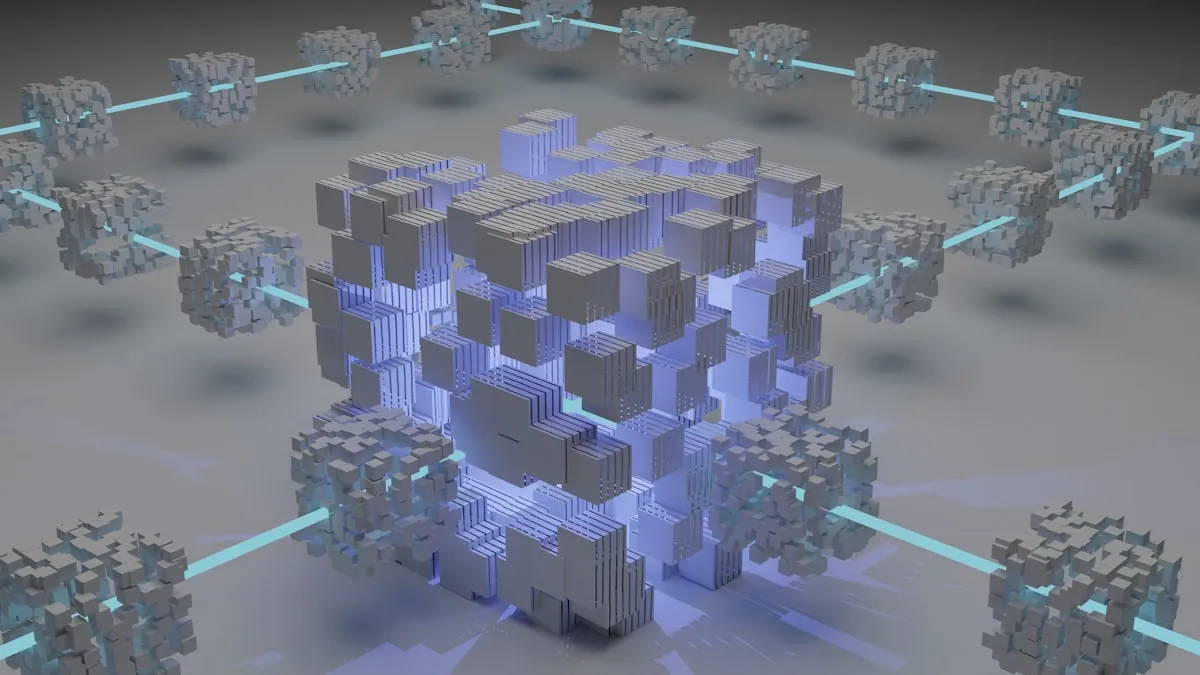
Blockchain dan Web3 — Masa Depan Terdesentralisasi
Pengenalan: Revolusi Terdesentralisasi
Teknologi blockchain merepresentasikan salah satu inovasi teknologi paling signifikan di masa kita. Blockchain memungkinkan sistem yang truly terdesentralisasi, menghilangkan kebutuhan untuk intermediaries yang dipercaya, dan menciptakan kemungkinan baru untuk kepemilikan digital, transfer value, dan transaksi peer-to-peer. Panduan komprehensif ini mencakup blockchain fundamentals, pengembangan Web3, dan ekosistem yang berkembang pesat dengan teknologi yang emerging dan opportunities yang baru.
Daftar Isi
- Pengenalan
- Apa itu Blockchain?
- Bagaimana Blockchain Bekerja
- Popular Blockchains
- Smart Contracts
- Web3 Development Tools
- Decentralized Applications (dApps)
- DeFi - Decentralized Finance
- NFTs dan Digital Assets
- Security dan Risks
- Future of Web3
- Resources
Apa itu Blockchain?
Blockchain adalah teknologi distributed ledger yang mempertahankan daftar record yang terus berkembang yang disebut blocks. Setiap block berisi cryptographic hashes, timestamps, dan data transaksi, membuatnya immutable (tidak dapat diubah) dan transparan untuk semua participant. Blockchain secara signifikan mengubah cara kita menyimpan data dan melakukan transaksi tanpa perlu memercayai pihak ketiga.
Karakteristik Kunci
- Terdesentralisasi: Tidak ada single point of failure atau kontrol oleh entity tertentu
- Immutable: Setelah data direkam ke blockchain, sangat sulit untuk diubah atau dihapus
- Transparan: Semua peserta jaringan dapat melihat ledger dan memverifikasi transaksi
- Aman: Perlindungan kriptografi memastikan integritas data dan keaslian
- Permanen: Record historis adalah permanen dan tidak dapat dihapus
Blockchain vs Traditional Databases
| Aspek | Blockchain | Traditional Database |
|---|---|---|
| Control | Terdesentralisasi | Terpusat |
| Transparency | Fully transparan | Terbatas |
| Immutability | Data adalah permanen | Data dapat dimodifikasi |
| Security | Perlindungan kriptografi | Berbasis autentikasi |
| Consensus | Konsensus terdistribusi | Otoritas tunggal |
| Transaction Speed | Lebih lambat | Sangat cepat |
Bagaimana Blockchain Bekerja
Blockchain bekerja dengan mengelompokkan transaksi ke dalam blocks, dan setiap block di-link ke block sebelumnya menggunakan cryptographic hash. Ini menciptakan chain yang tidak dapat dipecahkan, di mana mengubah data di satu block akan membatalkan semua block berikutnya.
Block Structure
Setiap block berisi beberapa komponen penting:
- Block Header: Metadata tentang block termasuk hash dari block sebelumnya
- Transactions: Semua transaksi dalam block ini
- Timestamp: Waktu ketika block dibuat
- Nonce: Angka yang digunakan di Proof of Work untuk mining
- Hash: Pengenal unik untuk block yang di-generate dari header
Block 1
├─ Header
├─ Transactions
├─ Timestamp
├─ Nonce
└─ Hash: ABC123...
   ↓
Block 2
├─ Header
├─ Transactions (includes Hash of Block 1)
├─ Timestamp
├─ Nonce
└─ Hash: DEF456...
Consensus Mechanism
Blockchain menggunakan consensus mechanism untuk memvalidasi dan menambahkan blok baru ke ledger. Ini memastikan semua peserta setuju dengan status ledger.
Proof of Work (PoW)
- Miners menyelesaikan teka-teki matematika yang kompleks
- Miner pertama yang menyelesaikan dapat menambahkan blok dan menerima reward
- Memerlukan daya komputasi dan energi yang signifikan
- Digunakan oleh: Bitcoin, Ethereum (pre-merge)
- Sangat aman namun boros energi
Proof of Stake (PoS)
- Validators dipilih berdasarkan stake (jumlah token) mereka
- Lebih hemat energi daripada PoW
- Validators mempertaruhkan token mereka jika bertindak jahat (slashing)
- Digunakan oleh: Ethereum (post-merge), Cardano
- Lebih efisien dan ramah lingkungan
Mechanism Lainnya
- Delegated Proof of Stake (DPoS): Token holders mendelegasikan kekuatan voting
- Proof of Authority (PoA): Validators terpercaya
- Proof of History (PoH): Digunakan oleh Solana untuk mengurutkan transaksi
Popular Blockchain
Ethereum
Platform smart contract terkemuka yang memungkinkan aplikasi terdesentralisasi.
Karakteristik:
- Pioneered smart contract
- Large developer community
- Extensive DeFi ecosystem
- High transaction cost (gas fee)
- Recently switch ke Proof of Stake
Token: ETH
Bitcoin
Original blockchain dan cryptocurrency terbesar berdasarkan kapitalisasi pasar yang berfokus menjadi currency terdesentralisasi.
Karakteristik:
- Implementasi cryptocurrency pertama yang sukses
- Fokus pada sistem pembayaran peer-to-peer
- Ledger yang tidak dapat diubah dan tidak berubah
- Pasokan tetap (21 juta BTC) memberikan kelangkaan
- Konsensus Proof of Work yang boros energi
- Kurang fleksibel untuk aplikasi dibandingkan Ethereum
Token: BTC
Solana
High-performance blockchain yang fokus pada kecepatan dan skalabilitas dengan biaya transaksi sangat murah.
Karakteristik:
- Transaksi sangat cepat (hingga 65.000 TPS secara teoritis)
- Biaya transaksi rendah dibanding Ethereum
- Mekanisme konsensus Proof of History yang unik
- Ekosistem DeFi yang berkembang
- Ramah NFT dan komunitas yang kuat
Token: SOL
Polygon
Layer 2 scaling solution untuk Ethereum yang membuat transaksi jauh lebih murah dan cepat.
Karakteristik:
- Transaksi jauh lebih murah daripada Ethereum mainnet
- Kompatibel dengan EVM sehingga developer dapat memport contract Ethereum
- Baik untuk skalabilitas dan mengurangi kemacetan jaringan
- Ekosistem DApp yang besar dan adopsi yang terus berkembang
Token: MATIC
Smart Contracts
Smart contracts adalah self-executing programs yang berjalan di blockchains, mengotomatisasi transaksi dan agreements tanpa perlu intermediaries. Ini adalah building block dari DeFi dan decentralized applications.
Smart Contract Example (Solidity)
Solidity adalah bahasa pemrograman yang paling populer untuk menulis smart contracts di Ethereum. Berikut adalah contoh sederhana token contract:
pragma solidity ^0.8.0;

contract Token {
  mapping(address => uint256) public balances;
  string public name = "MyToken";
  uint256 public totalSupply = 1000000;

  constructor() {
    balances[msg.sender] = totalSupply;
  }

  function transfer(address recipient, uint256 amount) public returns (bool) {
    require(balances[msg.sender] >= amount, "Insufficient balance");
    require(recipient != address(0), "Invalid recipient");

    balances[msg.sender] -= amount;
    balances[recipient] += amount;

    return true;
  }

  function getBalance(address account) public view returns (uint256) {
    return balances[account];
  }
}
Smart Contract Best Practices
Untuk memastikan smart contracts aman dan berfungsi dengan baik, ikuti best practices berikut:
- Security Audits: Kontrak harus di-review oleh security experts sebelum deployment ke mainnet
- Formal Verification: Bukti secara matematis bahwa contract logic benar dan tidak memiliki vulnerabilities
- Comprehensive Testing: Test semua skenario, termasuk edge cases dan semua kondisi error
- Time Locks: Implementasikan delays pada operasi kritis untuk keamanan dan memberikan waktu bagi pengguna untuk merespons
- Multi-Signature Wallets: Memerlukan beberapa tanda tangan untuk tindakan penting seperti upgrades atau emergency pauses
Web3 Development Tools
Untuk mengembangkan aplikasi Web3, ada berbagai tools dan libraries yang memudahkan proses development dan testing.
Web3.js
JavaScript library yang paling populer untuk berinteraksi dengan Ethereum nodes dan smart contracts.
const Web3 = require('web3');
const web3 = new Web3('http://localhost:8545');

// Get accounts
const accounts = await web3.eth.getAccounts();
console.log(accounts);

// Get balance
const balance = await web3.eth.getBalance(accounts[0]);
console.log(web3.utils.fromWei(balance, 'ether'));

// Send transaction
const tx = await web3.eth.sendTransaction({
  from: accounts[0],
  to: '0x...',
  value: web3.utils.toWei('1', 'ether')
});
Ethers.js
Modern dan alternative yang cukup ringan ke Web3.js yang menjadi semakin popular dengan desain API yang lebih baik.
const { ethers } = require("ethers");

// Connect to provider
const provider = new ethers.providers.JsonRpcProvider('http://localhost:8545');

// Get signer
const signer = provider.getSigner();

// Get balance
const balance = await provider.getBalance(address);
console.log(ethers.utils.formatEther(balance));

// Send transaction
const tx = await signer.sendTransaction({
  to: '0x...',
  value: ethers.utils.parseEther("1.0")
});
await tx.wait();
Development Frameworks
- Hardhat: Lingkungan pengembangan Ethereum dengan kemampuan testing dan debugging yang kuat
- Truffle: Framework pengembangan lengkap dengan migrations dan built-in testing
- Foundry: Pengembangan smart contract berbasis Rust untuk performa dan kecepatan
- Remix: Online IDE untuk Solidity yang ideal untuk belajar dan prototyping cepat
Decentralized Applications (dApps)
Decentralized applications (dApps) adalah aplikasi yang berjalan di blockchain network, memberikan pengguna kendali penuh atas data dan aset mereka tanpa ketergantungan pada server terpusat.
dApp Architecture
Arsitektur tipikal dari dApp terdiri dari beberapa layer:
Frontend (React/Vue/Svelte)
    ↓
Web3 Library (Web3.js/ethers.js)
    ↓
Blockchain Node (Ethereum/Solana/etc)
    ↓
Smart Contracts
Setiap layer memiliki tanggung jawab spesifik:
- Frontend: Antarmuka pengguna dan interaksi pengguna
- Web3 Library: Komunikasi dengan blockchain
- Blockchain Node: Memelihara ledger dan memvalidasi transaksi
- Smart Contracts: Logika bisnis dan manajemen status
Building a Simple dApp
// Connect wallet ke aplikasi
async function connectWallet() {
  if (typeof window.ethereum !== 'undefined') {
    try {
      const accounts = await window.ethereum.request({
        method: 'eth_requestAccounts'
      });
      console.log('Connected:', accounts[0]);
    } catch (error) {
      console.error('Connection failed:', error);
    }
  }
}

// Interact dengan contract
async function interact() {
  const provider = new ethers.providers.Web3Provider(window.ethereum);
  const signer = provider.getSigner();

  const contract = new ethers.Contract(
    contractAddress,
    contractABI,
    signer
  );

  // Call contract function
  const result = await contract.getBalance();
  console.log('Balance:', ethers.utils.formatEther(result));
}
DeFi - Decentralized Finance
DeFi applications menciptakan ulang layanan keuangan tradisional pada blockchain tanpa perlu perantara seperti bank. Ini memungkinkan siapa saja dengan wallet untuk mengakses layanan keuangan 24/7 tanpa batasan.
Key DeFi Concepts
Liquidity Pools
- Pengguna menyetor token ke pool dalam exchange untuk yield (return on investment)
- Automated Market Makers (AMMs) memfasilitasi trading
- Pengembalian berdasarkan trading fees dan insentif yang disediakan
Staking
- Mengunci token dalam protokol untuk mendapatkan rewards
- Berpartisipasi dalam governance dan voting protokol
- Mendapatkan yield pasif pada holdings Kamu
Lending/Borrowing
- Menyetorkan aset sebagai jaminan (collateral)
- Meminjam aset lain yang Kamu butuhkan
- Membayar suku bunga yang ditentukan oleh penawaran dan permintaan
Yield Farming
- Menyediakan likuiditas atau staking token untuk mendapatkan rewards dari protokol
- Sering kali termasuk token governance sebagai insentif tambahan
- Risiko lebih tinggi tapi potensi pengembalian lebih tinggi
Popular DeFi Protocols
Berikut adalah beberapa protokol DeFi yang paling populer dan berpengaruh:
- Uniswap: Decentralized exchange (DEX) terbesar yang menggunakan automated market making untuk memfasilitasi trading
- Aave: Protokol lending terkemuka dengan total value locked (TVL) mencapai miliaran dollar
- MakerDAO: Protokol stablecoin yang memungkinkan pengguna membuat DAI, stablecoin yang terdesentralisasi
- Curve: Decentralized exchange khusus yang dioptimalkan untuk trading stablecoins dengan slippage minimal
- Yearn Finance: Aggregator yield optimization yang otomatis mengalokasikan token ke strategi terbaik
NFTs dan Digital Assets
NFTs (Non-Fungible Tokens) merepresentasikan aset digital atau fisik yang unik pada blockchain, memberikan provenance (asal-usul) dan kepemilikan yang dapat diverifikasi. Setiap NFT adalah unik dan tidak dapat ditukar dengan NFT lainnya, berbeda dengan token yang fungible seperti ETH atau USDC.
ERC-721 Standard (NFTs)
ERC-721 adalah standar yang mendefinisikan bagaimana NFTs diimplementasikan pada Ethereum. Setiap NFT memiliki unique token ID dan pemilik yang dapat diverifikasi:
pragma solidity ^0.8.0;

interface IERC721 {
  function transfer(address recipient, uint256 tokenId) external;
  function ownerOf(uint256 tokenId) external view returns (address);
  function approve(address to, uint256 tokenId) external;
}
NFT Use Cases
NFT memiliki banyak aplikasi praktis yang terus berkembang:
- Digital Art: Karya seni digital unik dengan kepemilikan yang terverifikasi dan tidak dapat dipalsukan
- Collectibles: Koleksi digital seperti trading cards dan item virtual yang scarce dan valuable
- Gaming: Aset in-game dan karakter yang pemain benar-benar miliki dan dapat diperdagangkan
- Real-World Assets: Sertifikat properti, dokumen hukum, dan aset fisik yang di-tokenisasi
- Membership: Token akses untuk komunitas, klub eksklusif, dan benefit khusus
- Domain Names: ENS (Ethereum Name Service) yang memungkinkan alamat blockchain yang mudah dibaca dan diingat
NFT Marketplaces
Platform marketplace untuk membeli dan menjual NFT terus berkembang dengan fitur-fitur yang unik:
- OpenSea: Marketplace NFT terbesar dengan jutaan aset dari berbagai koleksi dan blockchain
- Foundation: Platform khusus untuk seni digital dengan kurasi tinggi dan model penjualan eksklusif
- Magic Eden: Platform NFT terkemuka di Solana dengan biaya yang lebih rendah dan interface yang user-friendly
- Rarible: Marketplace yang berfokus pada kreator dengan governance token dan kontrol berbasis komunitas
Security dan Risks
Seperti halnya sistem keuangan tradisional, blockchain dan Web3 memiliki risiko keamanan yang unik yang harus dipahami dan dikelola dengan hati-hati.
Common Vulnerabilities
Reentrancy
- Penyerang memanggil fungsi kontrak secara rekursif sebelum pembaruan status terjadi
- Dapat menguras dana jika kontrak tidak memiliki proteksi yang tepat
- Contoh: penyerang melakukan withdraw dana berkali-kali dalam satu transaksi
Integer Overflow/Underflow
- Operasi matematika melebihi batas tipe data sehingga menyebabkan pembungkus nilai
- Dapat menyebabkan perilaku tidak terduga dan kehilangan aset
- Versi Solidity modern melindungi dari masalah ini secara otomatis
Front Running
- Penyerang melihat transaksi yang pending dalam mempool dan memasukkan transaksi mereka sendiri terlebih dahulu
- Sangat bermasalah untuk DEX trades dan peluang arbitrage
- Memungkinkan penyerang untuk mendapatkan keuntungan dari pergerakan harga yang mereka sebabkan
Security Practices
✓ Gunakan library yang sudah terbukti seperti OpenZeppelin untuk fungsionalitas umum ✓ Dapatkan audit kontrak profesional dari firma keamanan sebelum deployment ke mainnet ✓ Implementasikan rate limiting untuk mencegah penyalahgunaan ✓ Gunakan multi-signature wallets untuk ownership kontrak dan fungsi penting ✓ Jangan pernah mengekspos atau menggunakan kembali private keys ✓ Lakukan testing menyeluruh sebelum deployment ke mainnet dengan test suite yang komprehensif ✓ Monitor aktivitas mencurigakan dan potensi kerentanan keamanan ✓ Gunakan hardware wallets untuk menyimpan kepemilikan dalam jumlah besar ✓ Selalu perbarui library dan dependencies dengan patch keamanan terbaru
Future of Web3
Ekosistem Web3 terus berkembang dengan banyak teknologi dan peluang menarik yang bermunculan setiap hari.
Emerging Trends
- Layer 2 Solutions: Solusi scaling Ethereum dan L1 lainnya dengan biaya lebih rendah dan throughput lebih tinggi
- Cross-Chain Bridges: Jembatan yang menghubungkan berbagai blockchain untuk interoperabilitas yang lebih baik
- Account Abstraction: Meningkatkan pengalaman pengguna dengan smart contract wallets
- Zero Knowledge Proofs: Solusi privasi dan scalability yang revolusioner
- Interoperability: Berbagai blockchain berkomunikasi dan bertukar nilai secara langsung
- Central Bank Digital Currencies (CBDCs): Blockchain pemerintah dan mata uang digital yang dikeluarkan bank sentral
Resources
Untuk mempelajari lebih banyak tentang blockchain dan Web3, berikut adalah resource yang sangat membantu:
- Ethereum Official: https://ethereum.org - Dokumentasi Ethereum yang komprehensif
- Solidity Documentation: https://docs.soliditylang.org - Dokumentasi bahasa Solidity resmi
- OpenZeppelin: Library smart contract dan best practices keamanan
- CryptoZombies: Platform pembelajaran interaktif untuk pemrograman Solidity
- EthHub: Knowledge base Ethereum dengan informasi yang dikurasi
- Coinbase Learn: Pendidikan blockchain dengan konten yang ramah pemula
- Mirror: Platform penulisan Web3 untuk thought leadership dan sharing ide
Web3 adalah frontier baru dari technology, finance, dan digital ownership yang menawarkan peluang tak terduga untuk inovasi!