Software Engineering & Code Quality
Clean code, SOLID, refactoring, technical debt, reviews, testing, and engineering habits that keep code maintainable.
More Articles
19 more articles in this topic.

Domain-Driven Design: Structuring Large Codebases
Use Domain-Driven Design to structure large codebases with ubiquitous language, bounded contexts, entities, value objects, aggregates, repositories, and domain services.

Open Source Contribution: First PR and Maintainer Workflow
Make your first open source contribution by choosing a project, finding good issues, preparing a PR, and working well with maintainers.
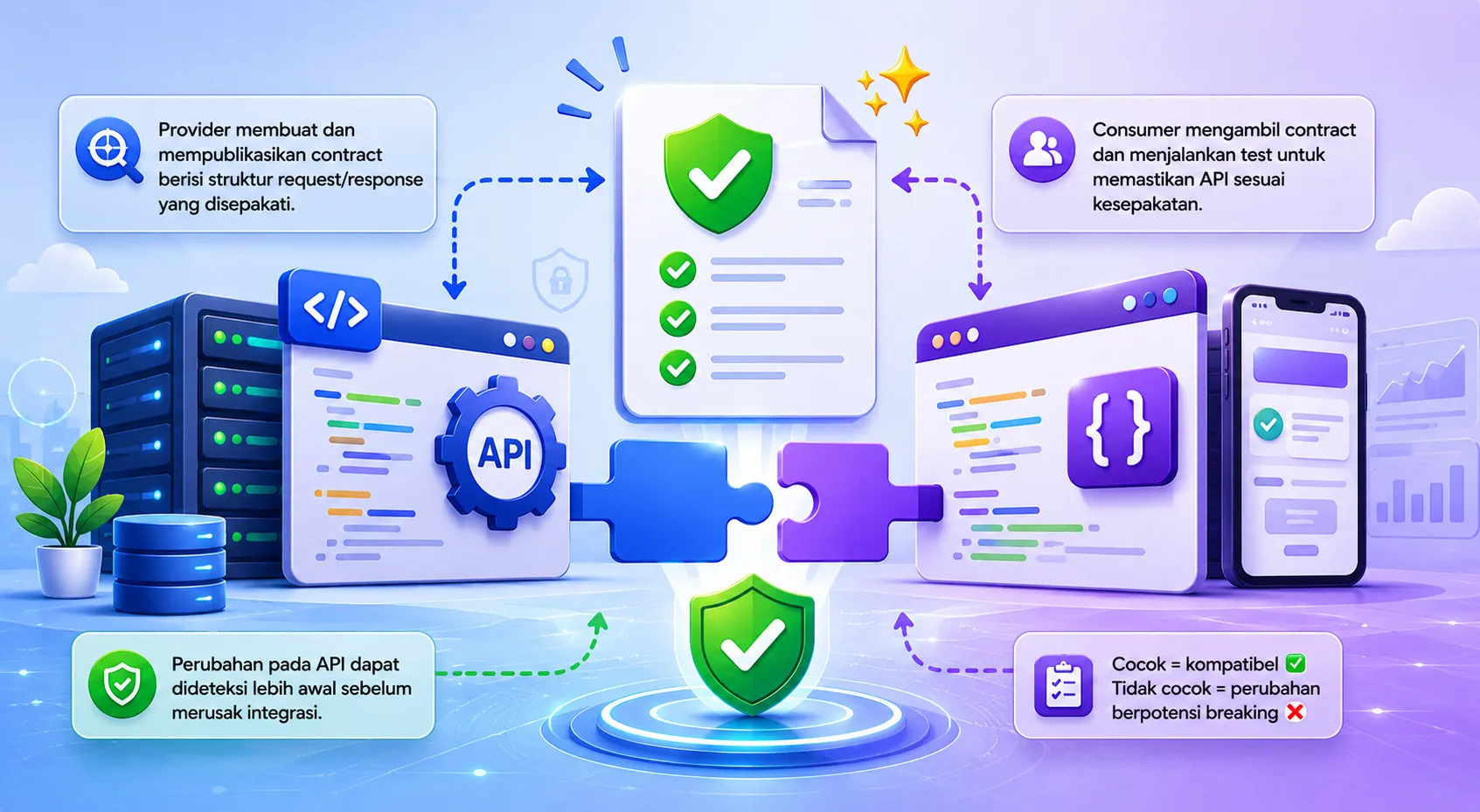
Contract Testing: Keep Microservice APIs Compatible
Use contract testing to keep microservice APIs compatible, reduce integration bugs, improve CI checks, and deploy services safely.
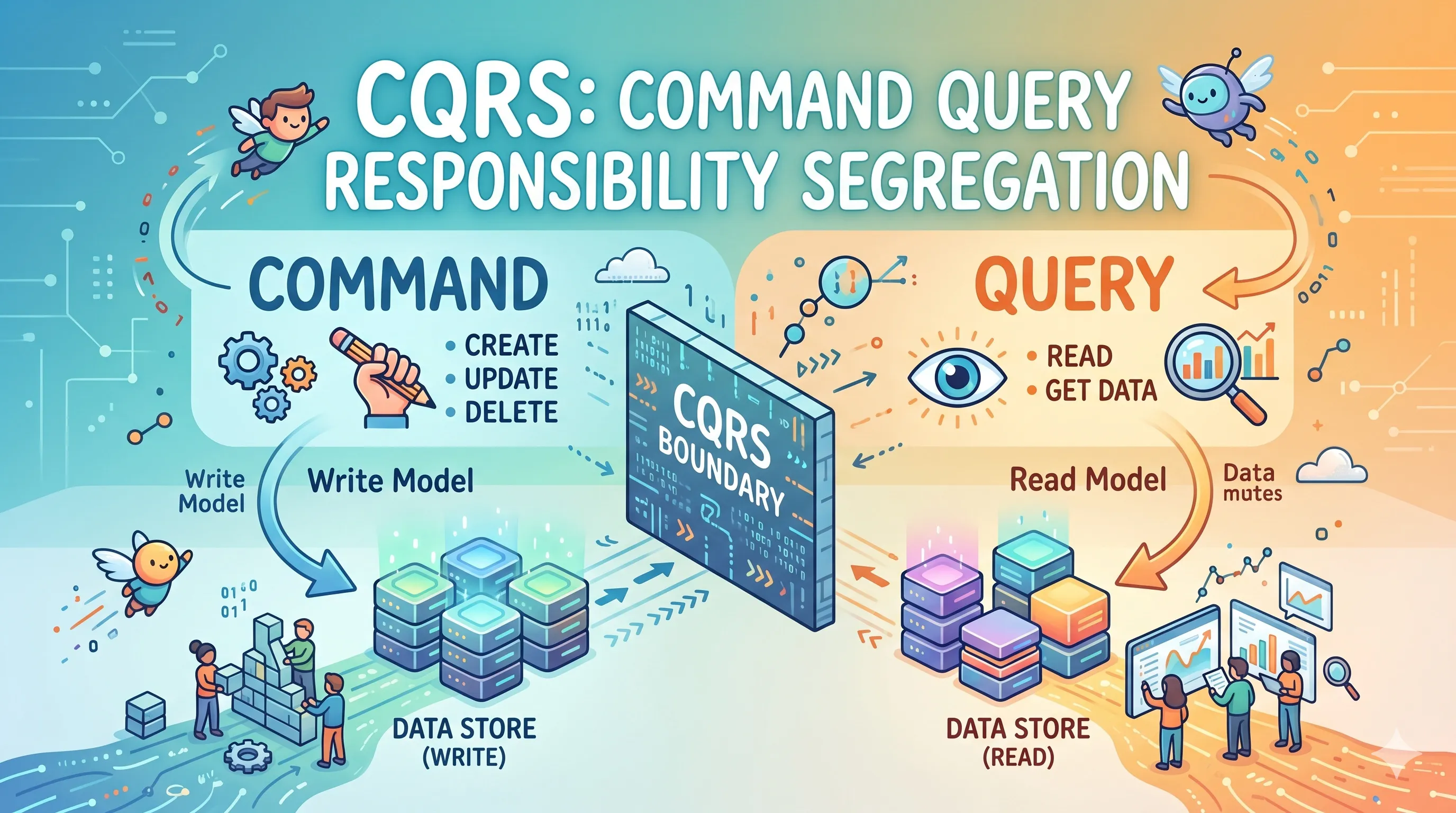
CQRS Pattern: Separate Reads and Writes for Scalable Systems
Use CQRS to separate read and write models, improve scalability, simplify complex queries, and design clearer application boundaries.
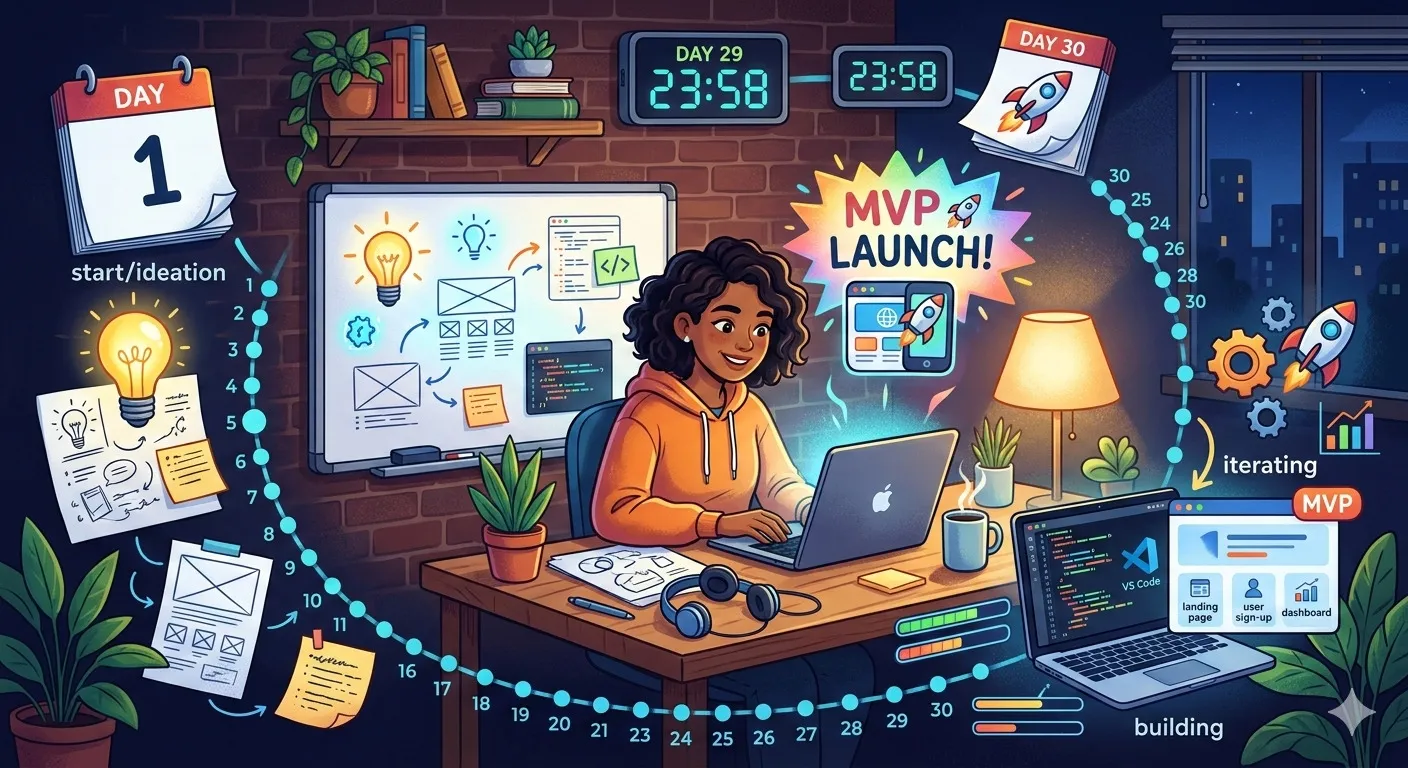
30-Day Side Project Plan: Build an MVP Portfolio
Follow a 30-day side project plan from idea validation and scope cutting to MVP build, polish, launch, and portfolio presentation.

Testing Pyramid: Unit, Integration, and E2E for Product Teams
Apply a pragmatic testing pyramid with unit, integration, and E2E tests so product teams improve quality without slow test suites.

Technical Debt Management: Map, Prioritize, and Repay
Manage technical debt by mapping hotspots, estimating impact, prioritizing repayment, and turning cleanup into scheduled engineering work.

Type-Safe APIs with TypeScript: Schemas and Contracts
Build type-safe APIs in TypeScript with schemas, validation, shared contracts, generated types, and safer frontend-backend integration.

Git Branching Strategy: Trunk-Based vs GitFlow vs Hybrid
Compare trunk-based development, GitFlow, and hybrid Git branching strategies to choose the right workflow for your team.

Legacy Code Refactoring: Reduce Risk Without Breaking Things
Refactor legacy code safely with characterization tests, small steps, dependency mapping, rollout planning, and risk control.

Clean Code Habits: 7 Practical Tips for Busy Developers
Adopt practical clean code habits for naming, small functions, refactoring, review, and readability without slowing feature delivery.
Docblocks Guide: Better IntelliSense and Code Docs
Write better docblocks for TypeScript and Python so IntelliSense, code docs, and team maintenance become easier to trust.

MCP Server in VS Code: Setup, Tools, and AI Workflow
Set up MCP Server in VS Code so AI tools can access local context, APIs, and developer workflows with safer boundaries.

Microservices Architecture: When to Use It and Key Patterns
Decide when microservices make sense, then learn key patterns like API gateway, service discovery, circuit breaker, and deployment strategy.
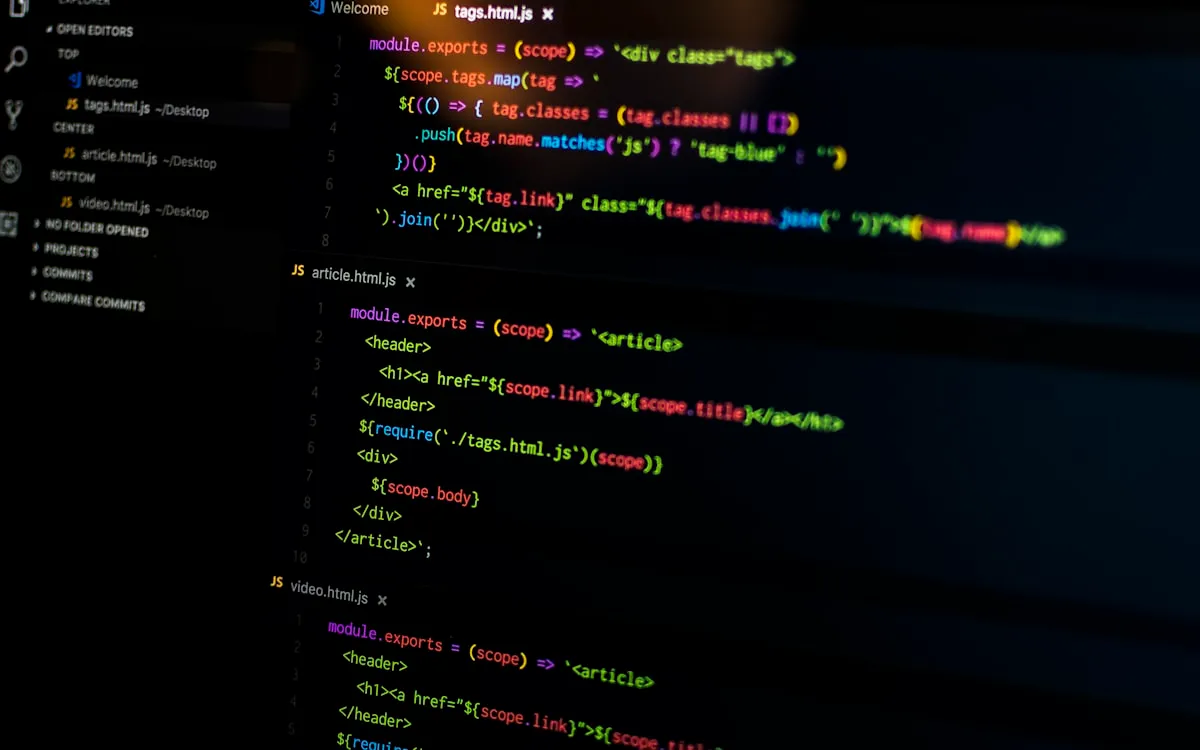
Web App Testing Strategy: Unit, Integration, and E2E
Plan a web app testing strategy across unit, integration, and E2E tests with practical coverage decisions and tooling tradeoffs.
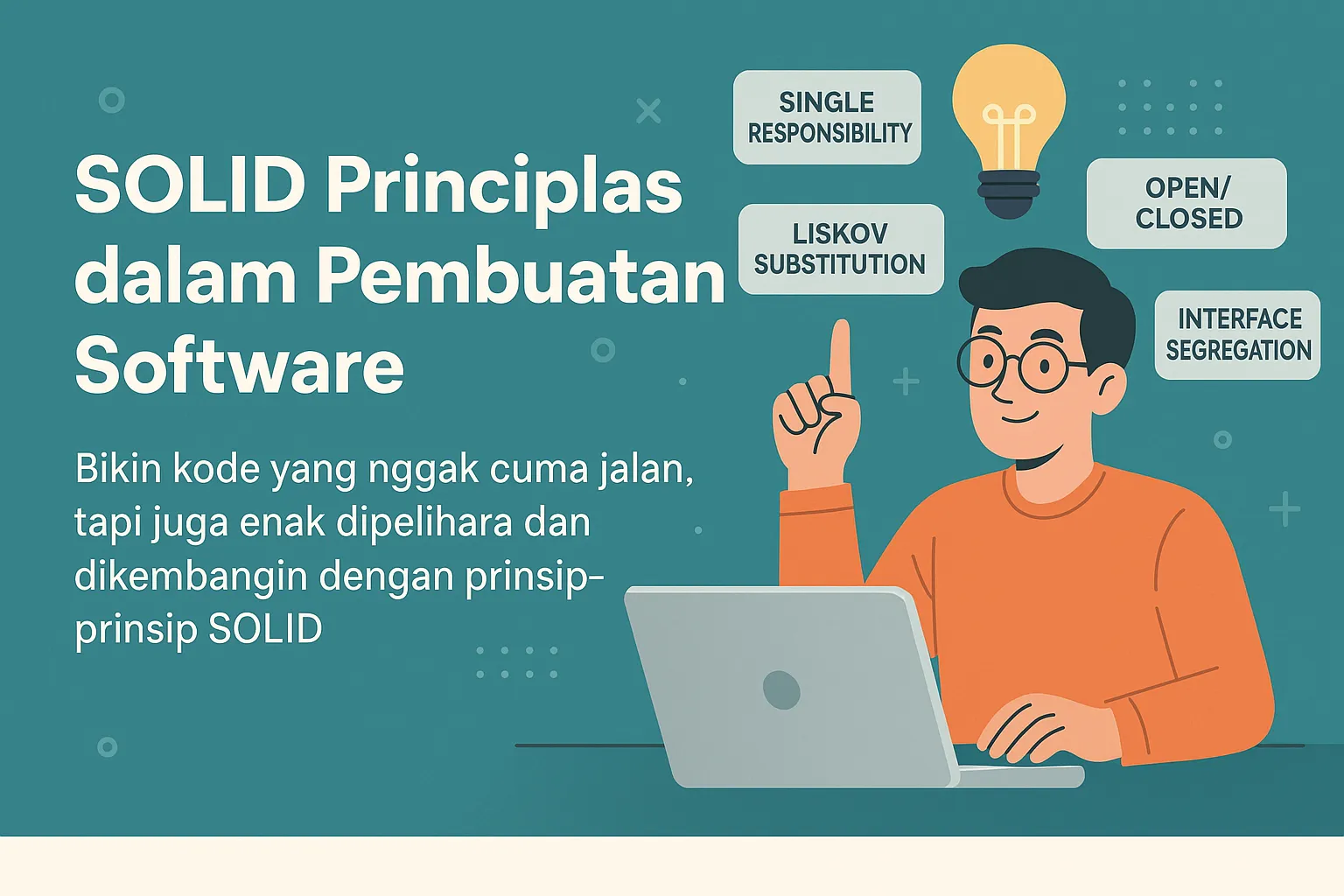
SOLID Principles: Write Maintainable Software
Understand the five SOLID principles with practical examples so your object-oriented code becomes easier to extend, test, and maintain.
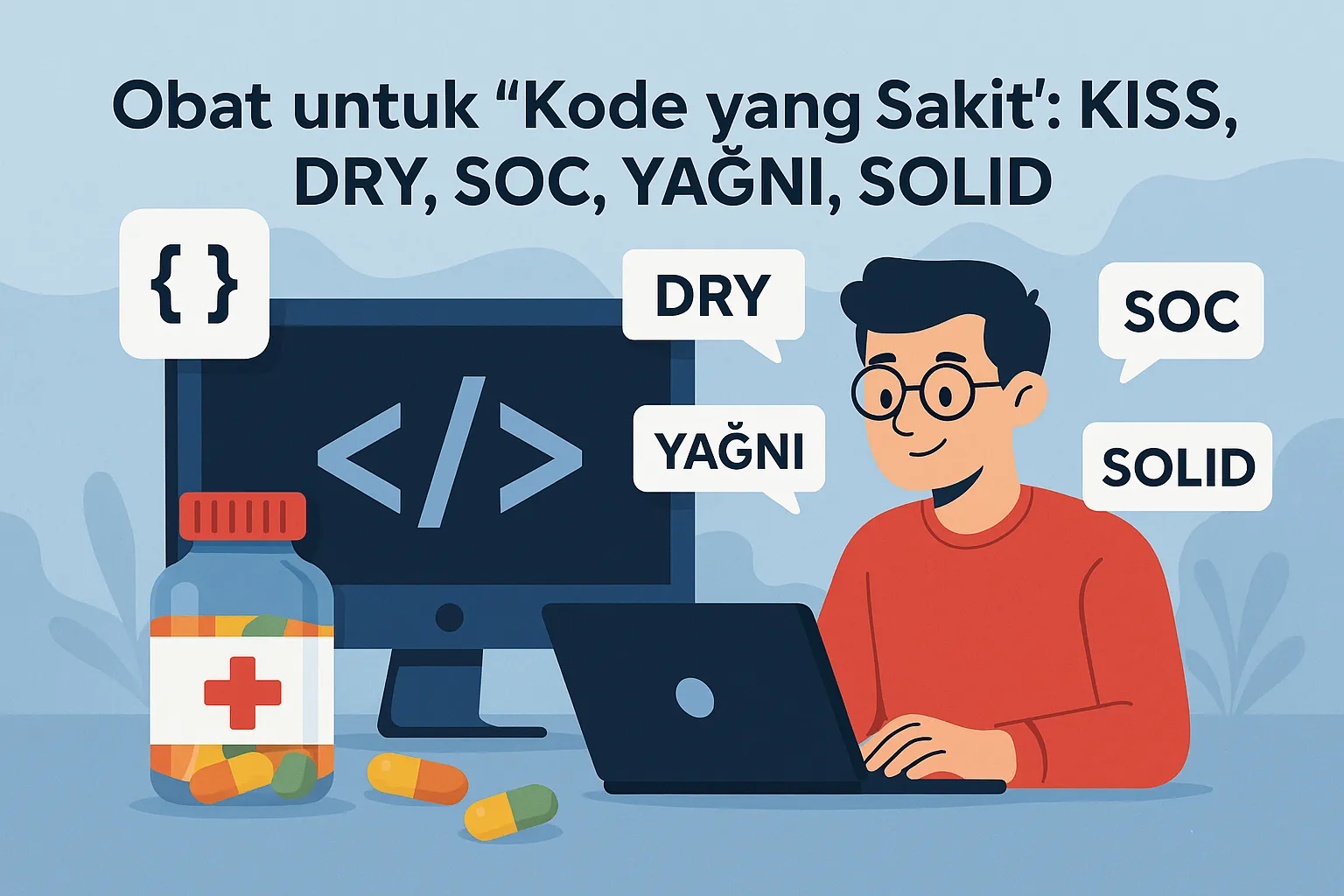
KISS, DRY, SoC, YAGNI, SOLID: Fix Unhealthy Code
Learn how KISS, DRY, separation of concerns, YAGNI, and SOLID help make code simpler, cleaner, easier to test, and easier to maintain.

Naming Conventions: Variables, Functions, and Classes
A practical guide to naming variables, functions, classes, booleans, API routes, and files so your code is easier to read and maintain.

Code Health: Spot Code That Is Hard to Maintain
Learn how to recognize unhealthy code, why it becomes risky to change, and what habits help keep a codebase readable, testable, and maintainable.
Updated automatically from the TryzTech article collection.