Backend, API & Database
Backend design, APIs, databases, caching, server-side frameworks, and production application architecture patterns.
More Articles
36 more articles in this topic.
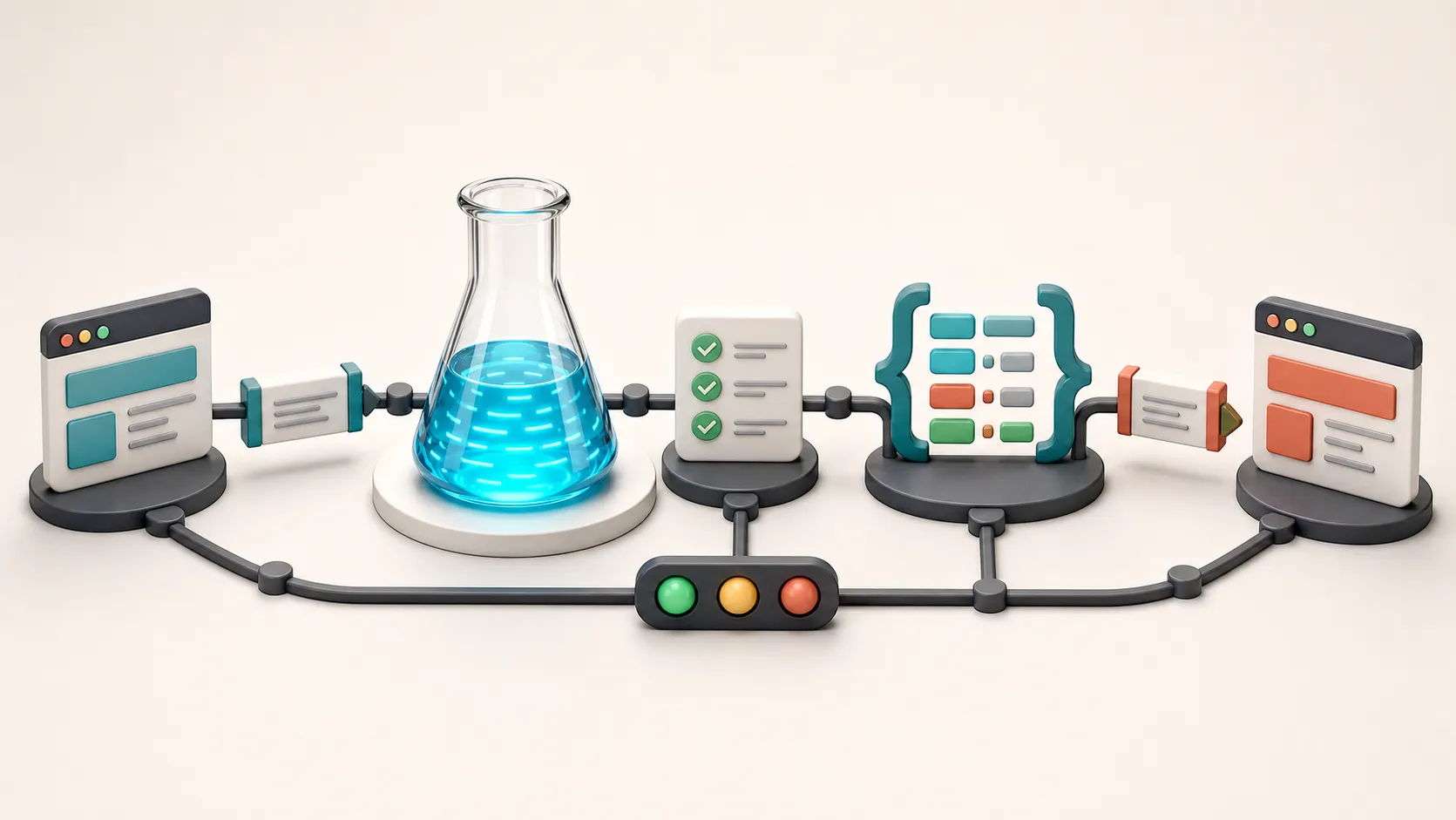
Flask JSON APIs: Request Bodies, jsonify, and Status Codes
Build a Flask JSON API that reads request bodies, validates payloads, stores notes, and returns consistent responses and status codes.

Flask Authentication: Login, Sessions, and Logout
Build Flask authentication with password hashes, login sessions, a current user, protected routes, and logout without storing plaintext passwords.
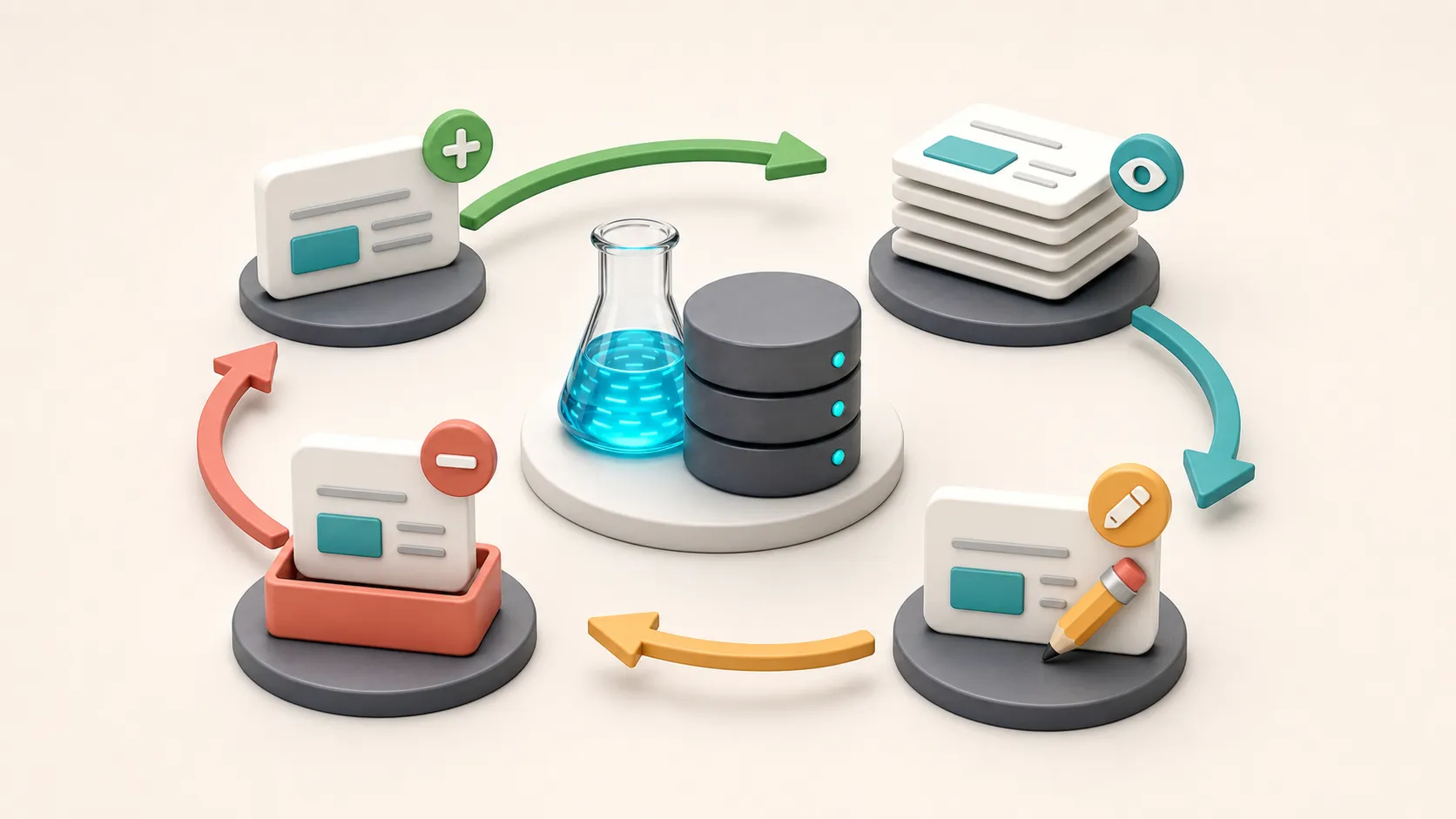
Flask CRUD with SQLAlchemy: Create, Read, Update, Delete
Build Flask and SQLAlchemy CRUD to create, read, update, and delete notes with validation, forms, and redirects.
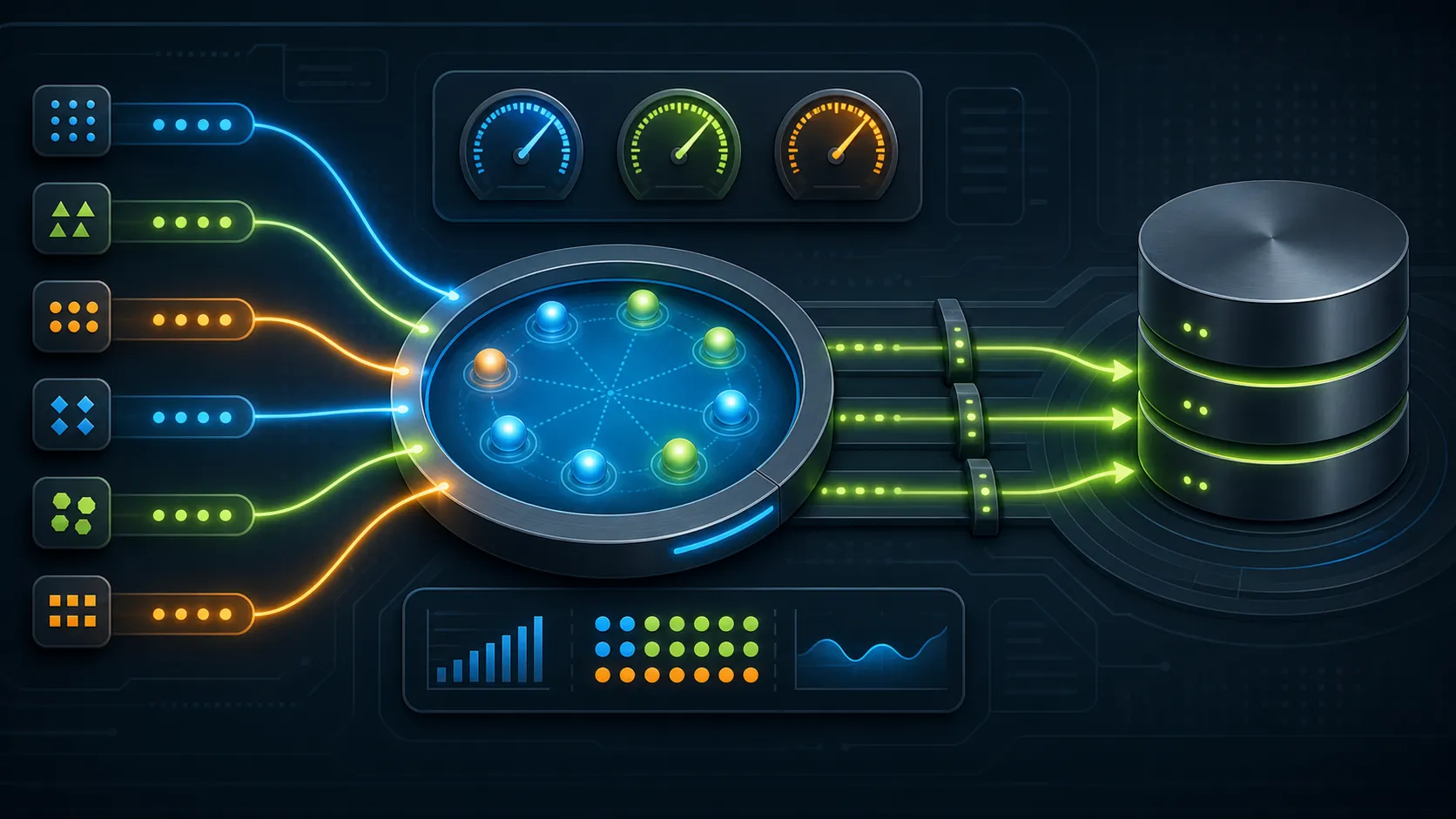
Connection Pooling: Maximizing Database Performance
Understand database connection pooling, how to size it, diagnose saturation, and avoid common serverless and transaction pitfalls.
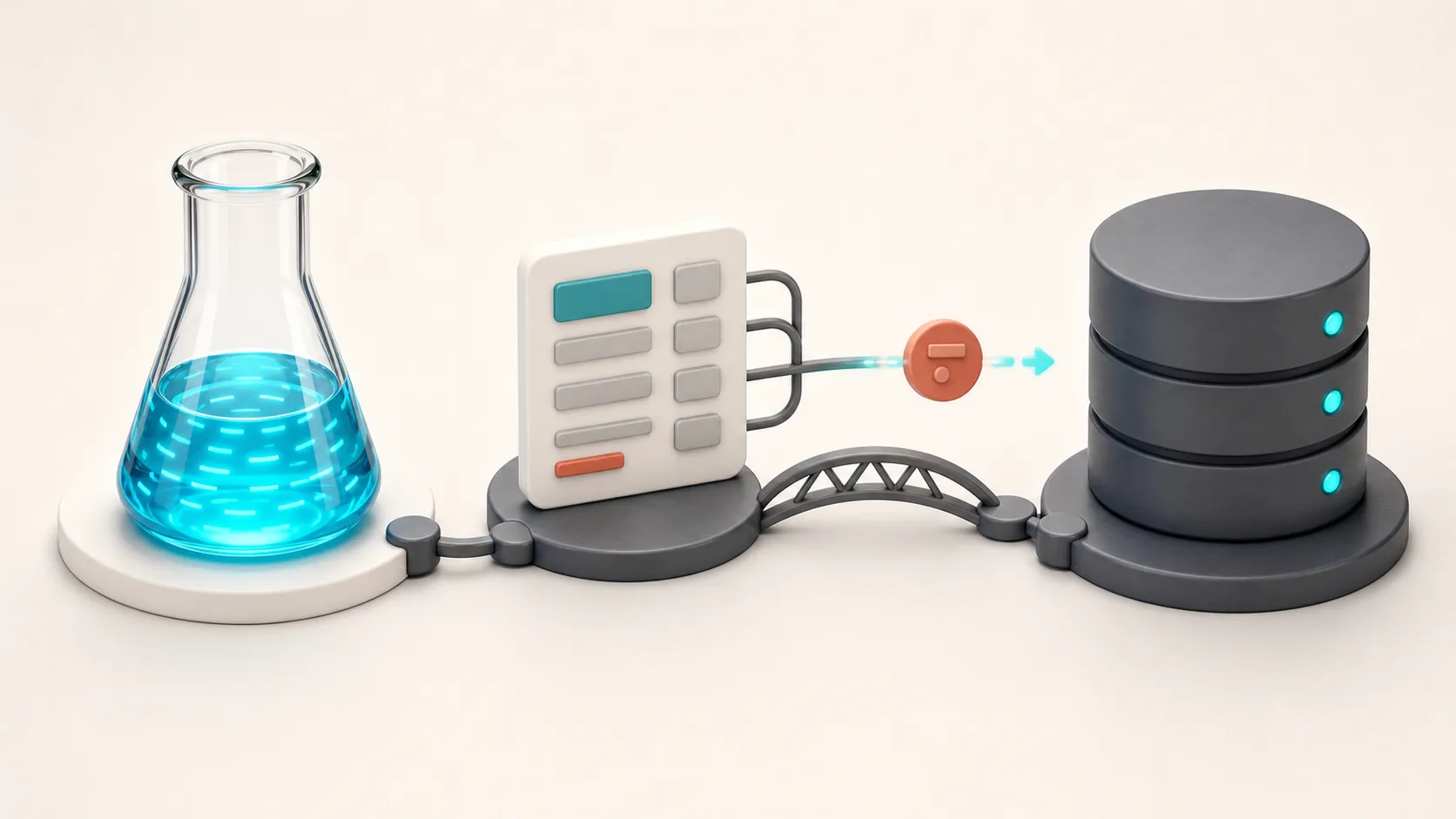
Flask SQLAlchemy: Database Connection and Models
Connect Flask to SQLite with Flask-SQLAlchemy, create models and tables, then understand add, commit, and querying data.

Flask Project Structure: Blueprints, Templates, and Config
Organize a Flask project with an application factory, Blueprints, route modules, templates, static files, and separate configuration.
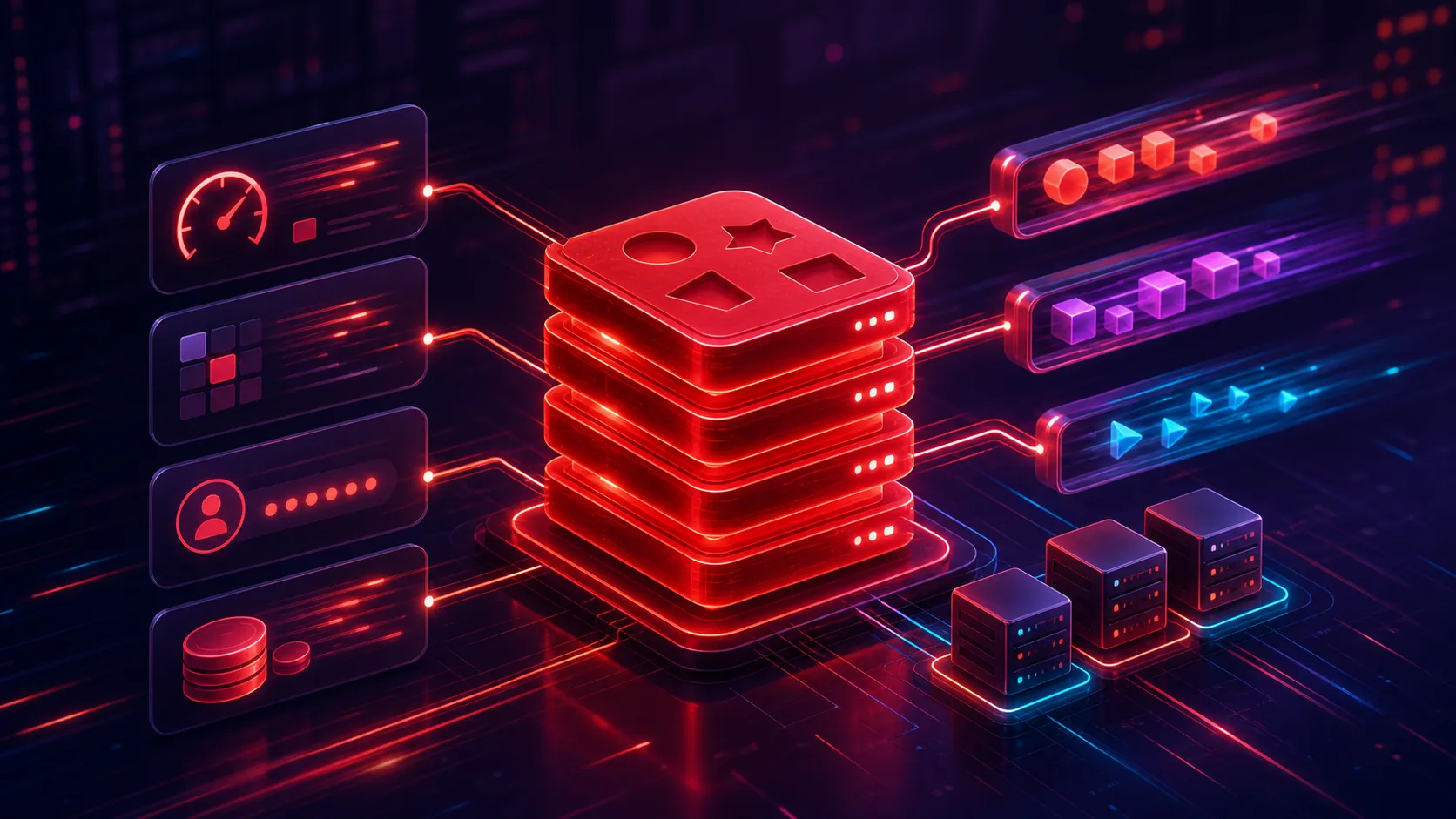
Redis for Backend: Cache, Sessions, and Pub/Sub
A practical guide to using Redis safely for caching, sessions, queues, and Pub/Sub, including expiration, eviction, and operational trade-offs.
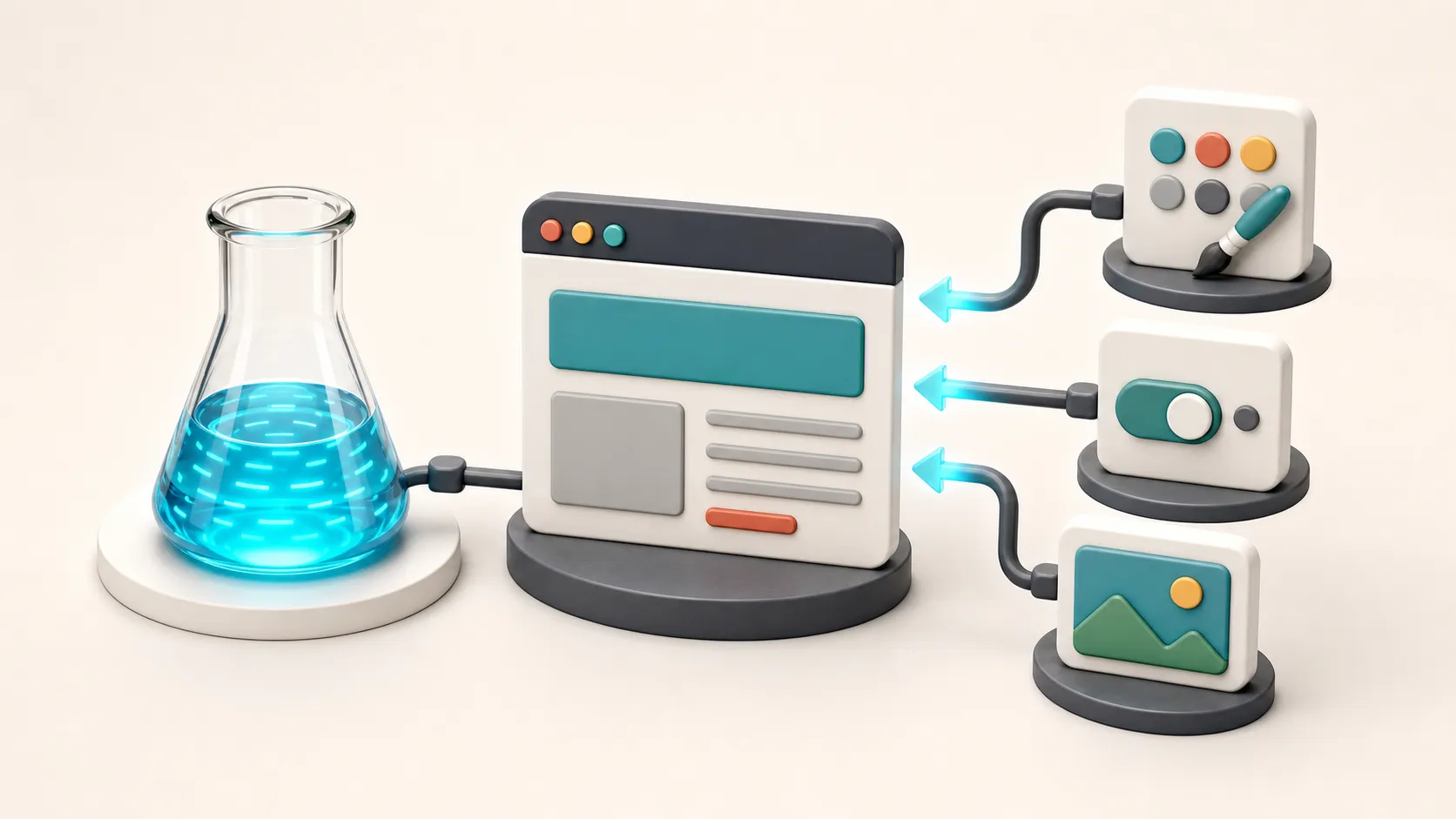
Flask Static Files: CSS, JavaScript, and Assets
Organize Flask static files for CSS, JavaScript, and images, then reference each asset with url_for so paths remain maintainable.
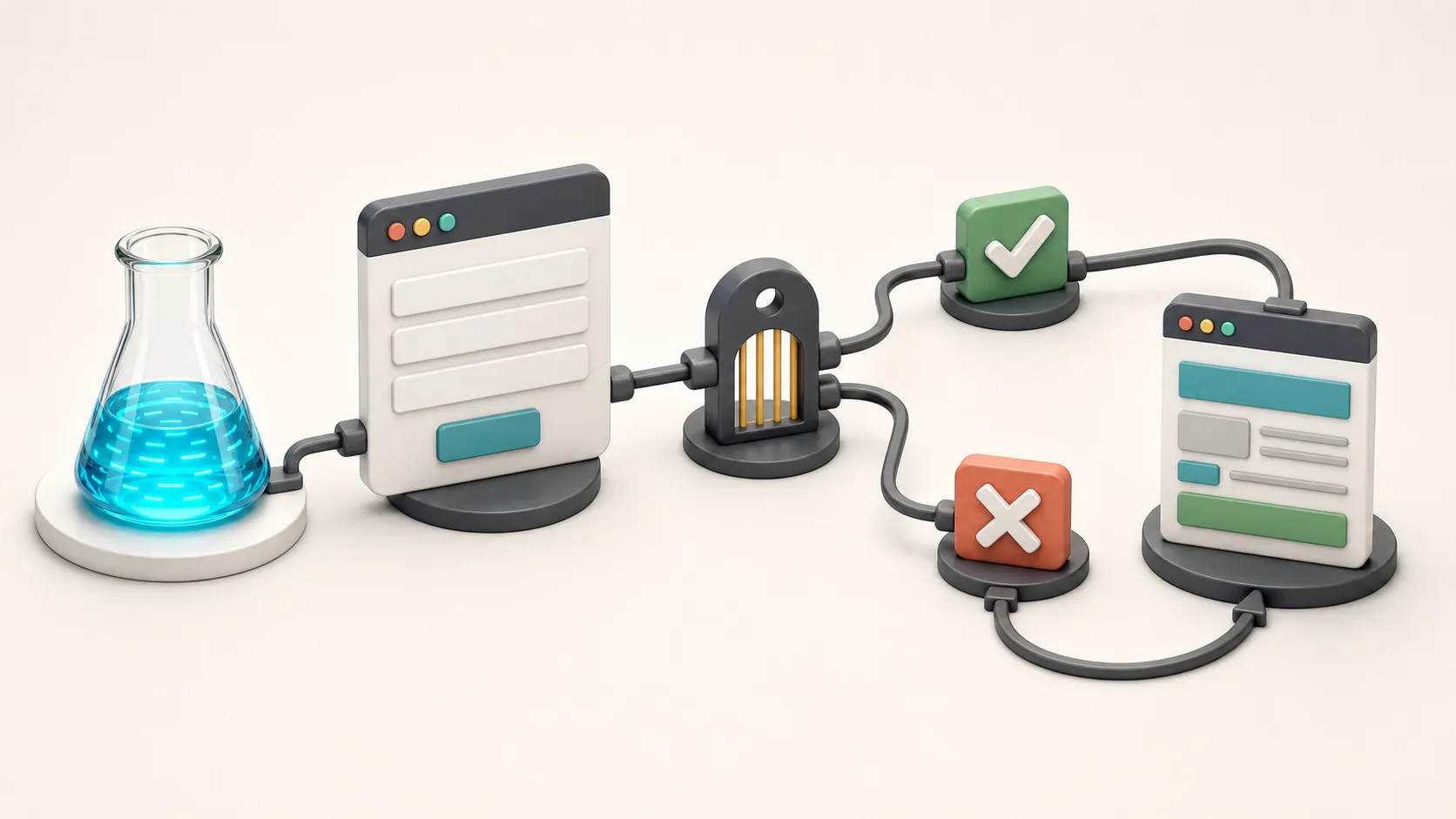
Flask Forms: Input, Validation, and Flash Messages
Learn Flask forms through GET and POST requests, input validation, flash messages, and redirects that prevent duplicate submissions.

Database Indexing Strategy: B-Trees, Hash Indexes, and More
Learn how to choose, validate, and maintain database indexes without slowing down writes or guessing at performance.

Flask Jinja Templates: Layouts, Variables, and Loops
Use Jinja templates in Flask to pass data into HTML, build loops and conditionals, and reuse a base layout without repeating markup.
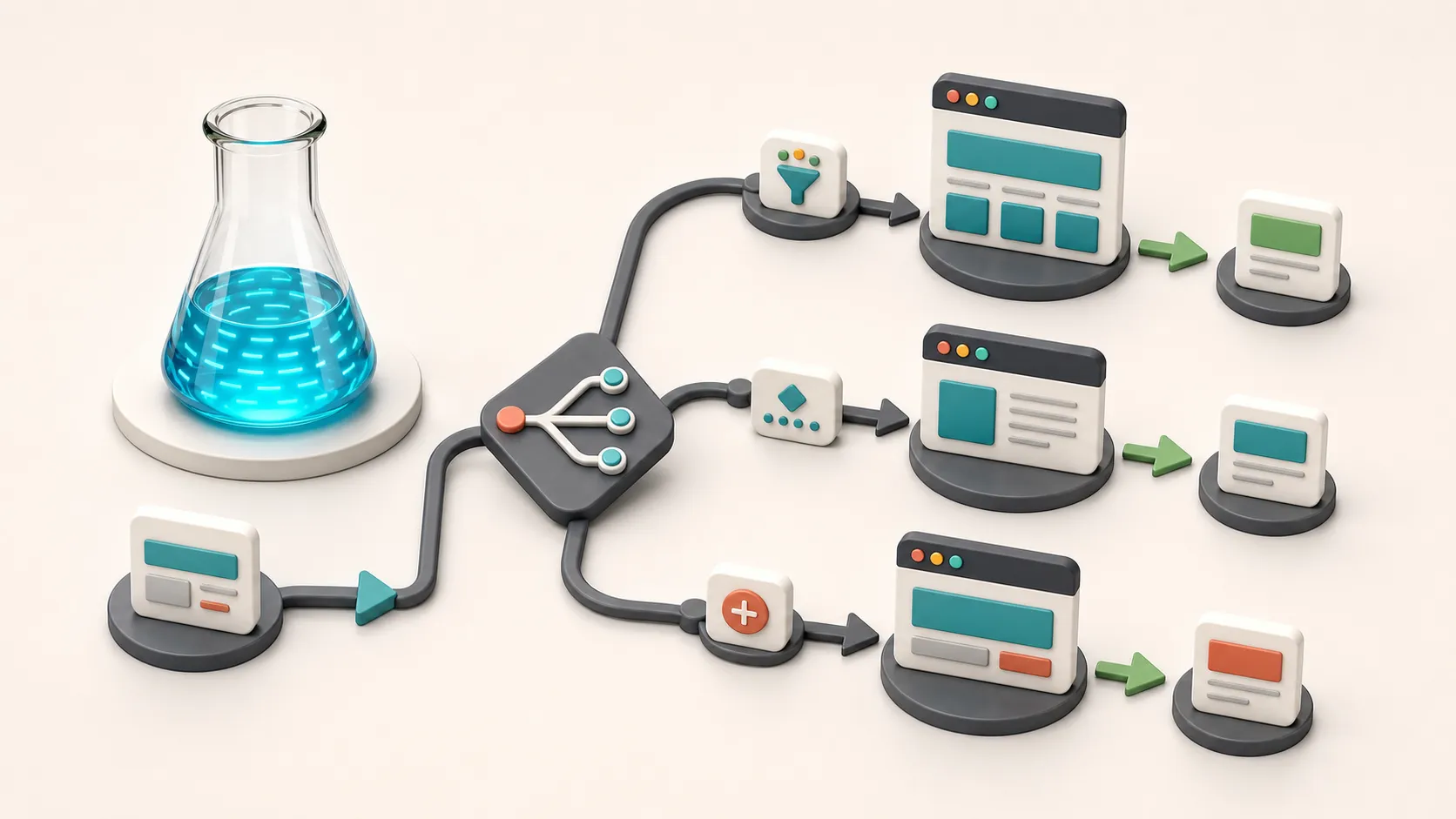
Flask Routing: URLs, Requests, and Responses
Learn Flask routing through URLs, path parameters, query strings, HTTP methods, and status codes for clear requests and responses.

NoSQL vs Relational: Choosing the Right Database for Your Project
A practical framework for choosing relational or NoSQL databases from data shape, queries, consistency, and operational needs.

Flask Tutorial: Setup and First Route
Set up Flask in a virtual environment, create app.py, run the development server, and follow a request through your first browser route.
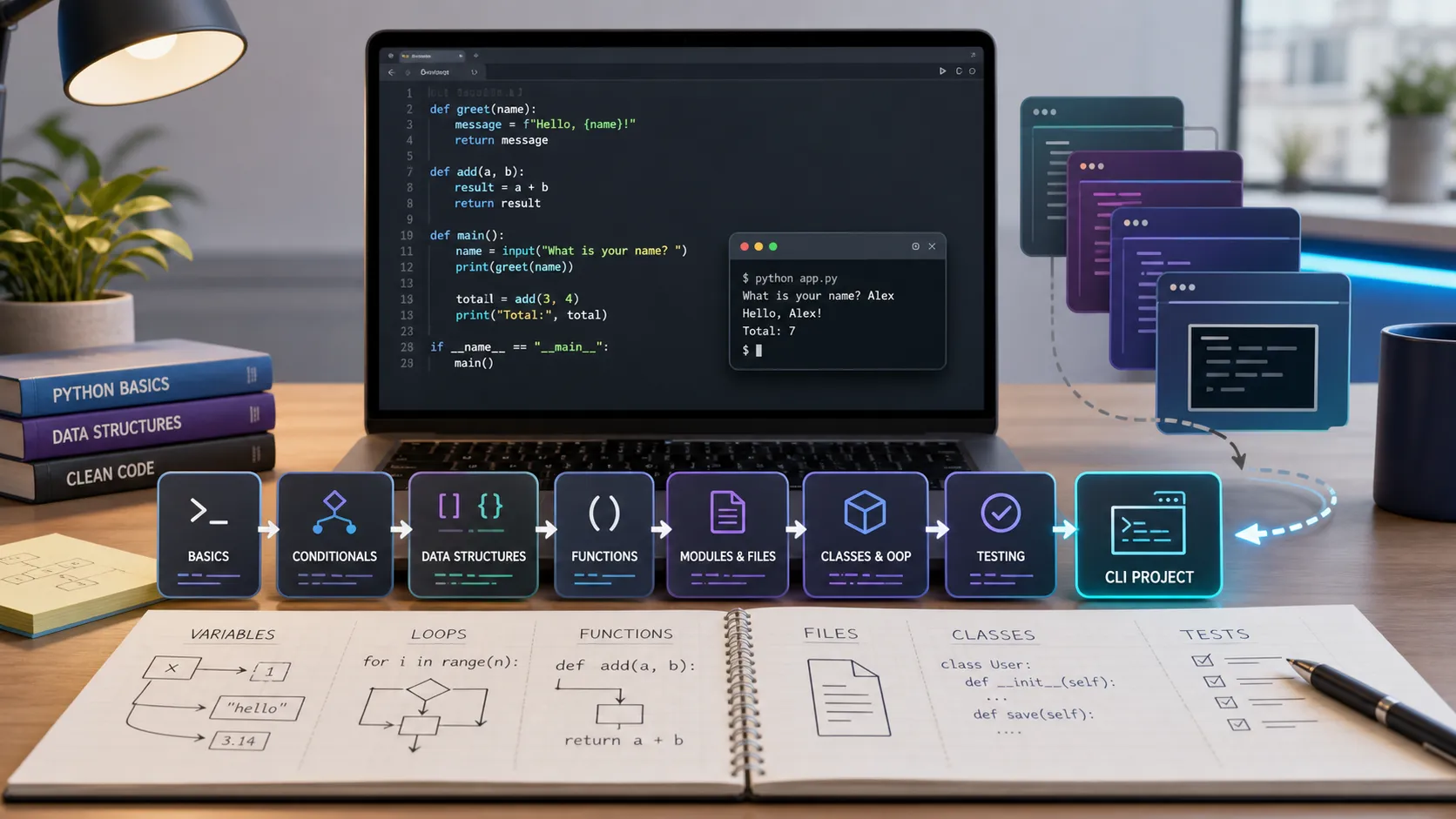
Python Fundamentals Learning Path: Series Recap and Next Steps
A practical recap of the Python Fundamentals series, with six lessons, key skills, checkpoints, and clear next steps after building the CLI project.
Python CLI Mini Project: Build an Expense Tracker from Scratch
Build a Python CLI expense tracker from scratch using input, JSON file storage, functions, dataclasses, error handling, and basic testing.
Python Project Structure: venv, pip, Requirements, and Testing
Learn how to organize a Python project with folders, virtual environments, pip, requirements.txt, .env files, pytest, and a simple entry point.
Object-Oriented Python for Beginners: Classes, Objects, and Dataclasses
Learn practical Python OOP: classes, objects, methods, __init__, dataclasses, composition, and when object-oriented code actually helps.
Python Files, Errors, and Modules: Writing Cleaner Scripts
Learn how to read files, write files, handle errors, create modules, import your own code, and organize cleaner Python scripts.
Python Functions and Data Structures: Lists, Tuples, Dicts, and Sets
Learn functions, parameters, return values, lists, tuples, dictionaries, sets, loops, and practical patterns for cleaner Python code.
Python Fundamentals: Variables, Types, and Control Flow
Learn Python fundamentals from scratch: variables, data types, operators, input/output, if statements, loops, and a simple practice script.

Database Replication: Read Scaling, Failover, and High Availability
Design database replication for read scaling, failover, high availability, downtime reduction, and safer recovery during production issues.

Idempotency Keys: Prevent Duplicate Requests and Charges
Use idempotency keys in APIs to prevent duplicate requests, double charges, retry bugs, and inconsistent payment or order data.

ETag Headers: HTTP Caching and Conditional Requests
Use ETag headers for HTTP caching, conditional requests, bandwidth savings, and concurrency control in high-performance APIs.

API Versioning Strategy: Backward Compatibility Without Panic
Choose an API versioning strategy that preserves backward compatibility, handles breaking changes, and keeps clients stable.
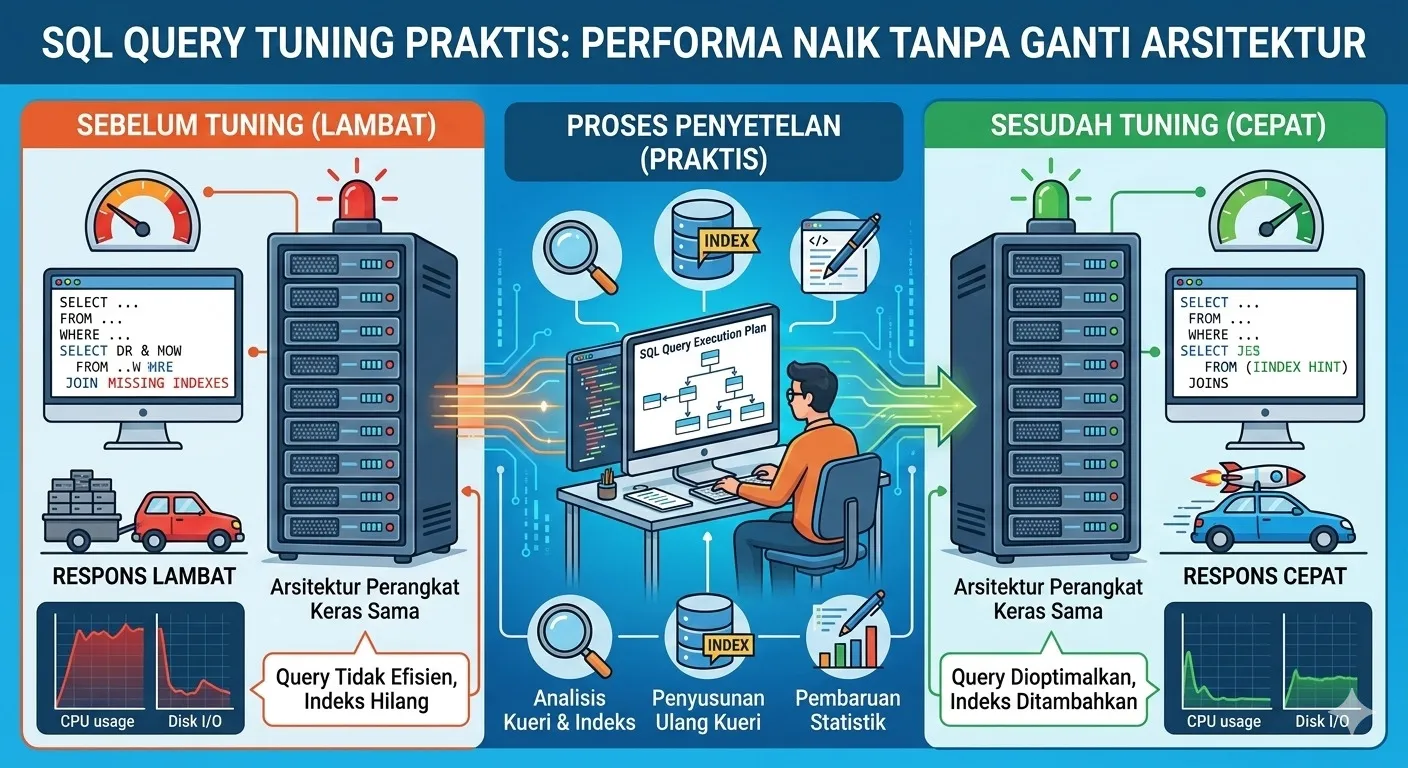
SQL Query Tuning: Indexes, Execution Plans, and Patterns
Tune SQL queries with indexes, execution plans, filtering strategy, joins, and practical patterns that improve database performance.

Flask CRUD App: Build with MySQL, Auth, and Caching
Build a Flask CRUD app with MySQL, authentication, testing, caching, environment setup, and deployment-ready project structure.

SQLAlchemy Multi-threading: ETL and Session Management
Use SQLAlchemy with Python threads for ETL and database workloads while handling sessions, connections, and concurrency safely.

SQLAlchemy Transaction: Get IDs Between Queries
Handle SQLAlchemy transactions safely, get inserted IDs between queries, and keep related database writes atomic in one workflow.

Node.js Best Practices: Error Handling, Async, and Security
Improve Node.js apps with better error handling, async patterns, middleware structure, security defaults, and production-ready practices.

Cloud Deployment Strategies: Blue-Green and Canary Releases
Compare cloud deployment strategies like blue-green, canary, and rolling releases with CI/CD, monitoring, and rollback considerations.
GraphQL API Guide: Schema, Query, and Mutation Basics
Learn GraphQL API basics through schema design, queries, mutations, resolvers, error handling, and practical patterns for app data.

Machine Learning with Python: Beginner Project Guide
Build a beginner machine learning project in Python with data preparation, scikit-learn basics, model training, evaluation, and next steps.

Database Design Basics: Normalize, Index, and Scale
Learn database design basics with normalization, keys, indexing, relationships, and scaling decisions for reliable application data.
API Best Practices: Build Secure and Scalable APIs
Build secure, scalable APIs with practical guidance on authentication, versioning, error handling, documentation, and performance.

Flask Tutorial: Build a Python Website from Scratch
Learn how to build a simple Python web application with Flask, routes, templates, form handling, and a clean starter structure for beginners.
Updated automatically from the TryzTech article collection.